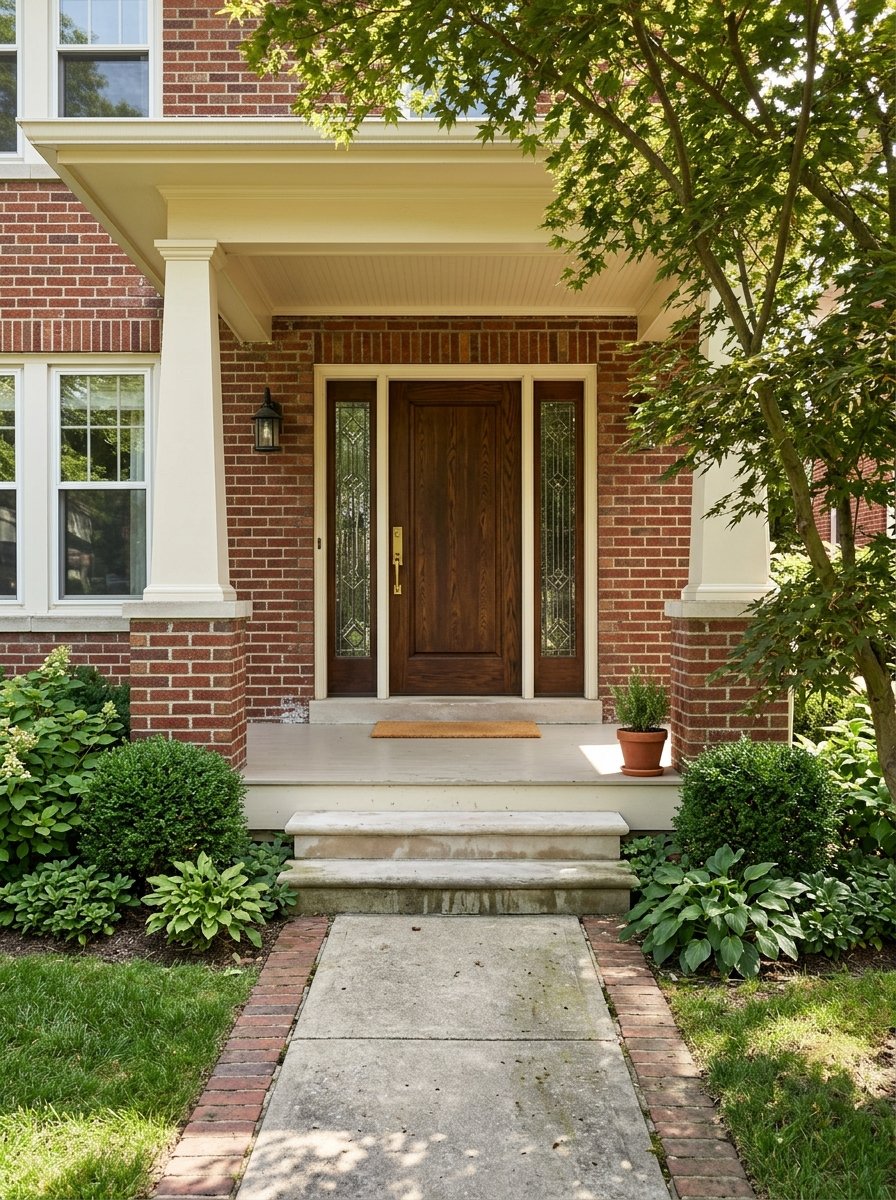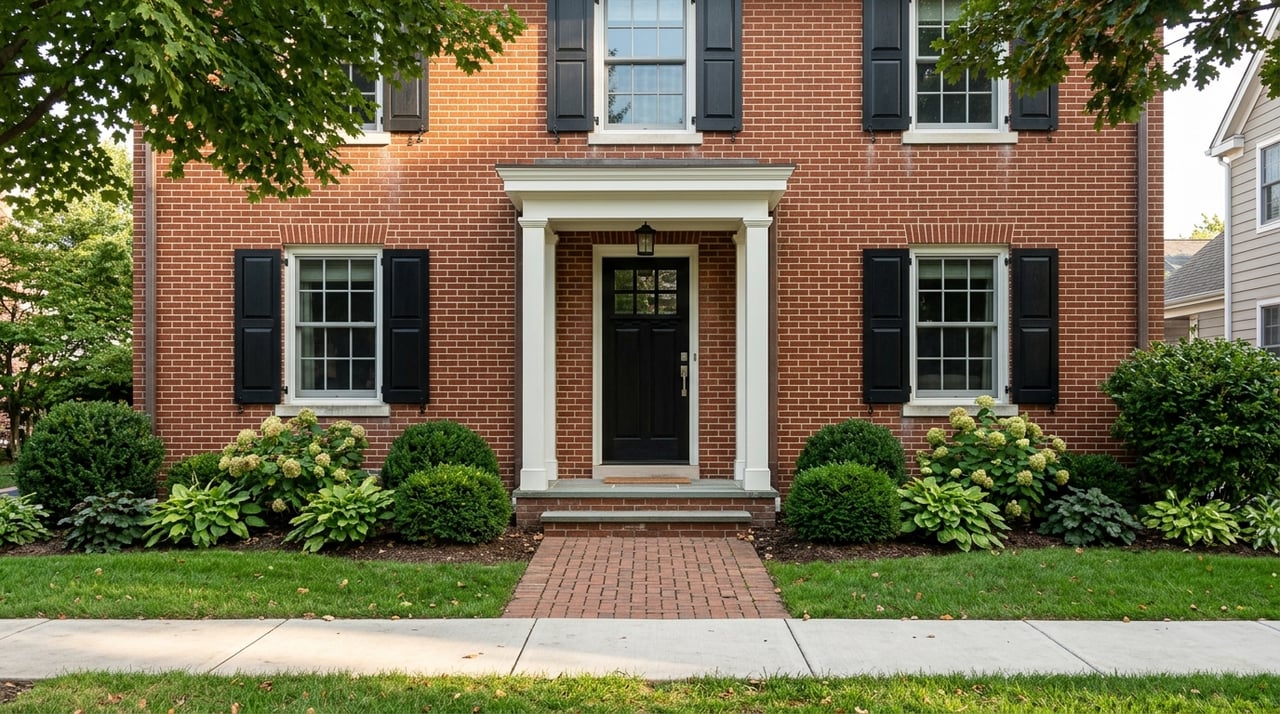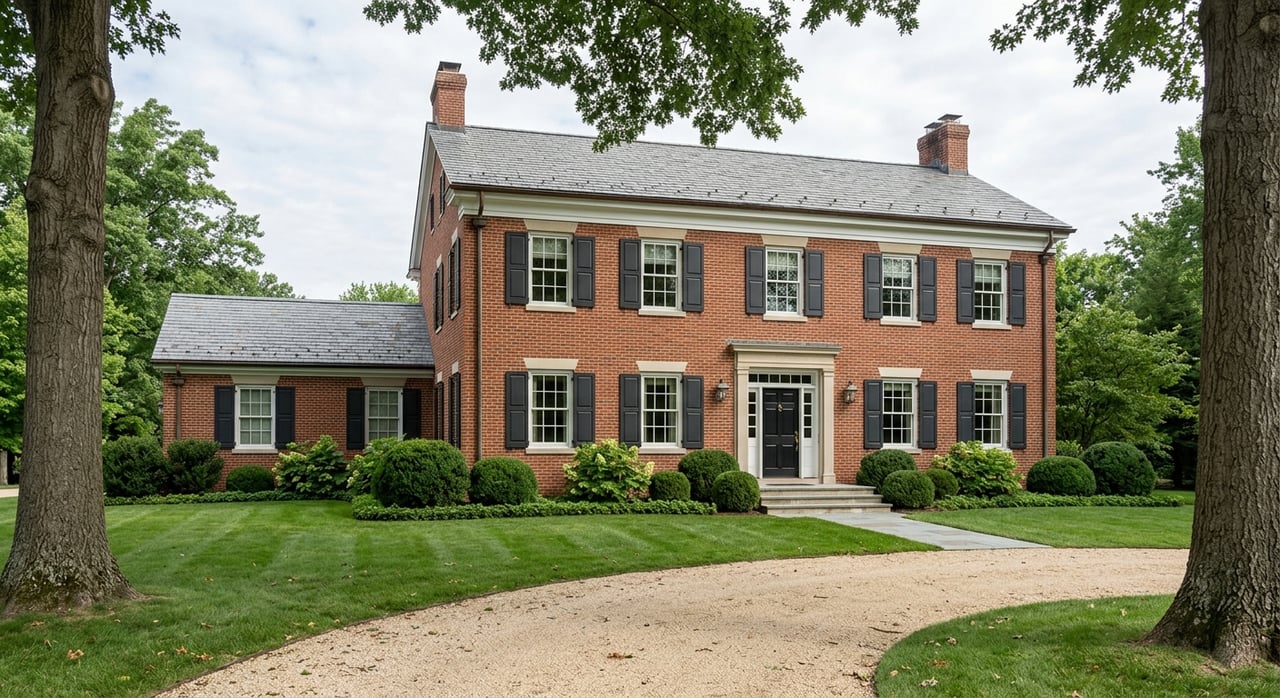
If you are drawn to homes with presence, privacy, and a real sense of place, Sewickley Heights stands apart. This is not a neighborhood defined by one architectural style or a neat grid of similar houses. It is a borough shaped by estates, land, and long-range stewardship, and understanding that context can help you see why certain properties feel so enduring. Let’s dive in.
Why Sewickley Heights Feels Different
Sewickley Heights developed as an estate landscape rather than a conventional subdivision. The borough’s history ties much of that identity to the Allegheny Country Club’s move there in 1902, when prominent Pittsburgh industrialists began building substantial homes with supporting structures like farm buildings, servants’ quarters, and even private water towers disguised within the landscape.
That history still matters today. The borough describes preservation as a defining part of community character, and local materials consistently frame Sewickley Heights as a historic district in a broad and meaningful sense. Even where original mansions have been demolished or subdivided over time, features like stone walls, gates, gatehouses, and outbuildings still shape the visual experience of the area.
For you as a buyer or homeowner, that means architecture here is rarely just about the main house. The approach, the setting, and the relationship between buildings and land all contribute to what makes a property feel authentic.
Estate Architecture Has No Single Formula
One of the most interesting things about Sewickley Heights is that there is no single "correct" house style. Instead, the borough reflects a rich mix of revival-era architecture and estate traditions that grew over decades.
Local historical sources point to Tudor Revival, Beaux-Arts, Georgian, Federal, Dutch Gambrel, French Provincial, and English Tudor homes in and around the Heights. Wilpen Hall, designed in 1898 by George Orth, is described as the last remaining Gilded Age mansion on the Heights. Another notable home, As You Like It, is remembered as a 44-room Tudor Revival summer home designed by George S. Orth and landscaped by John C. Olmsted.
That variety is part of the appeal. Instead of uniformity, Sewickley Heights offers a collection of homes that share a similar level of scale, intention, and connection to the land, even when their architectural details differ.
Common Traits You May Notice
While styles vary, many estate properties in Sewickley Heights tend to share a few broad characteristics:
- Generous setbacks from the road
- Long drives or formal approaches
- Mature trees and woodland edges
- Stone walls, gates, or fences
- Outbuildings that feel proportionate to the main home
- Exterior materials and forms that suit the surrounding landscape
These elements help create a sense of quiet arrival. In Sewickley Heights, the experience of approaching a home is often as important as the façade itself.
The Land Is Part of the Architecture
In many communities, landscaping is an upgrade. In Sewickley Heights, it is part of the property’s identity.
A five-acre minimum lot size remains central to the borough’s character. The borough also includes over 1,000 acres of undeveloped fields and woods in Borough Park, managed for conservation, education, and recreation. That broader setting helps explain why the area feels more like a collection of estates within a natural landscape than a dense suburban environment.
The borough’s Vision Plan adds another layer of insight. In that survey, residents most often described Sewickley Heights as rural at 49.5% or historic at 36.4%, and they pointed to split-rail fences, stone walls, trees, woodlands, open fields, and meadows as defining features.
That is useful if you are evaluating a property here. A home may be architecturally impressive, but in Sewickley Heights, the surrounding woods, views, meadows, and buffers are often part of what gives it long-term appeal.
Why Stewardship Matters
Daily life in the borough often involves active care of the land. Fern Hollow Nature Center, located on 33 acres, offers guidance related to native planting, biodiversity, meadow maintenance, invasive-species management, and habitat health.
For estate homeowners, that reinforces an important point: ownership here often includes stewardship. The grounds are not simply background scenery. They are part of the living experience and part of the reason a home feels rooted in Sewickley Heights.
New Construction Still Has to Belong
Sewickley Heights is not frozen in time. New homes and renovations continue to shape the borough, but they do so within a framework that emphasizes compatibility with the larger estate landscape.
The borough’s Residents page describes the Sewickley Heights Pattern Book as a design guideline meant to preserve community character by encouraging development consistent with the existing cultural landscape. In 2025, HARB reported 28 Certificates of Appropriateness, covering projects that ranged from roof replacements to new home construction.
That tells you something important about the market. Contemporary custom work can absolutely have a place here, but the strongest results are usually the ones that feel thoughtful rather than disconnected.
What Sensitive Design Looks Like
A successful newer home in Sewickley Heights often pays attention to:
- Scale that feels appropriate for the site
- Siting that respects setbacks and privacy
- Exterior materials that feel grounded in local precedent
- Landscaping that strengthens the estate setting
- Outbuildings and site features that feel intentional, not added as afterthoughts
This does not mean a house needs to copy a historic home. It means the home should feel like it belongs on its land and within the borough’s established visual rhythm.
What Buyers Often Value Most
If you are shopping in Sewickley Heights, it helps to look beyond square footage and finishes. This is a market where the whole composition matters.
The borough’s planning and design documents consistently emphasize the importance of cultural landscape, visible site elements, and development patterns. The Vision Plan also notes a local real estate perspective that buyers pay a premium for privacy and for the flexibility that comes with owning a large tract near a metropolitan area.
That premium makes sense when you experience the area firsthand. Buyers are often responding not only to the architecture, but also to the distance from the road, the tree canopy, the approach, the open land, and the sense of separation from nearby development.
Features That Tend to Age Well
From a resale perspective, homes that often feel most durable in Sewickley Heights tend to share a few qualities:
- A strong relationship between house and landscape
- Privacy created by acreage, buffers, or thoughtful siting
- Exterior forms and materials that feel established rather than trend-driven
- Well-scaled accessory structures
- Grounds that support the home’s architecture instead of competing with it
This is not a strict formula, but it aligns with how the borough talks about its own identity. Homes that feel coherent, settled, and connected to the land often have broader and more lasting appeal.
What Sellers Should Keep in Mind
If you own a home in Sewickley Heights, architecture is only part of your story. Buyers are also evaluating condition, setting, approach, and how well the property reflects the expectations of the borough.
That can influence how you prepare your home for market. In some cases, the most valuable work is not flashy. It may be improving site lines, refining landscaping, repairing visible exterior elements, or presenting outbuildings and grounds in a way that helps buyers understand the full property.
For distinctive homes especially, thoughtful positioning matters. A tailored strategy can help highlight the features that truly set a property apart, whether that is estate history, privacy, land use flexibility, architectural pedigree, or the way the home lives today.
Why Local Context Matters
Sewickley Heights is nuanced. Two properties with similar size or finish levels can feel very different in value depending on land, siting, privacy, and how naturally the home fits its setting.
That is why hyperlocal context matters so much here. Understanding the borough’s preservation mindset, estate patterns, and buyer expectations can help you make smarter decisions whether you are buying, selling, or simply considering your next move.
If you are exploring a home in Sewickley Heights or preparing to sell one, it helps to work with someone who understands not just the market data, but also the architectural and landscape details that shape how buyers respond. For tailored guidance rooted in local knowledge and a highly personal approach, connect with Nicole Kriebel.
FAQs
What architectural styles are found in Sewickley Heights?
- Sewickley Heights includes a mix of Tudor Revival, Beaux-Arts, Georgian, Federal, Dutch Gambrel, French Provincial, and English Tudor influences, rather than one single defining style.
Why is land so important to Sewickley Heights homes?
- Land is central to the borough’s identity because five-acre minimum lots, wooded settings, open fields, meadows, and conservation-minded planning all shape how homes look, feel, and function.
Can new construction fit into Sewickley Heights?
- Yes, new construction is part of the borough, but it is expected to respect the existing cultural landscape through thoughtful scale, siting, materials, and relationship to the land.
What features often support resale in Sewickley Heights?
- Properties often benefit from privacy, generous acreage, intentional landscape design, well-scaled outbuildings, and architecture that feels connected to the borough’s estate character.
What makes Sewickley Heights different from a typical suburban neighborhood?
- Sewickley Heights developed as an estate landscape rather than a conventional subdivision, so the experience is shaped by large lots, historic visual elements, conservation areas, and a strong connection between homes and the natural setting.